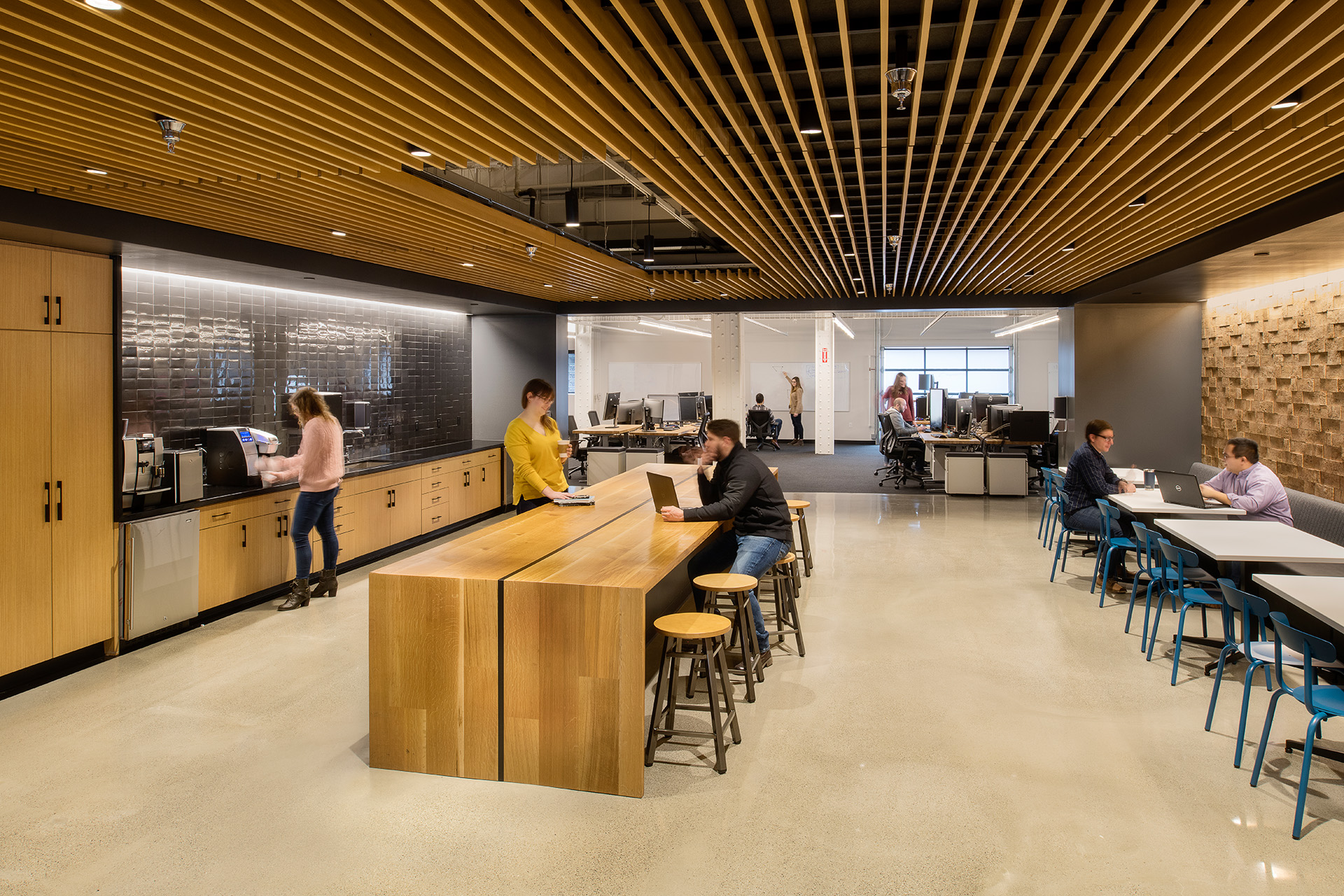
Third Places : Creating Offices Worth Returning To
July 24, 2026
Third Places : Designing Offices Worth Returning To
As organizations continue to implement return-to-work (RTW) initiatives, it is more important than ever to design offices employees want to return to.
In a post-pandemic world where remote and hybrid work settings have become the norm, employees everywhere have become content with working in their most comfortable space. This period has also given employees that opportunity to discover different work styles that suit them best, while remaining in the comfort of their own quarters.
This level of comfortability and work style flexibility has made it increasingly difficult to excite employees about the return-to-work initiative which can be eventually lead to an employee retention concern.
However, a design feature coined by sociologist Ray Oldenburg, has become increasingly popular in the workplace design in recent years : 'third places'.
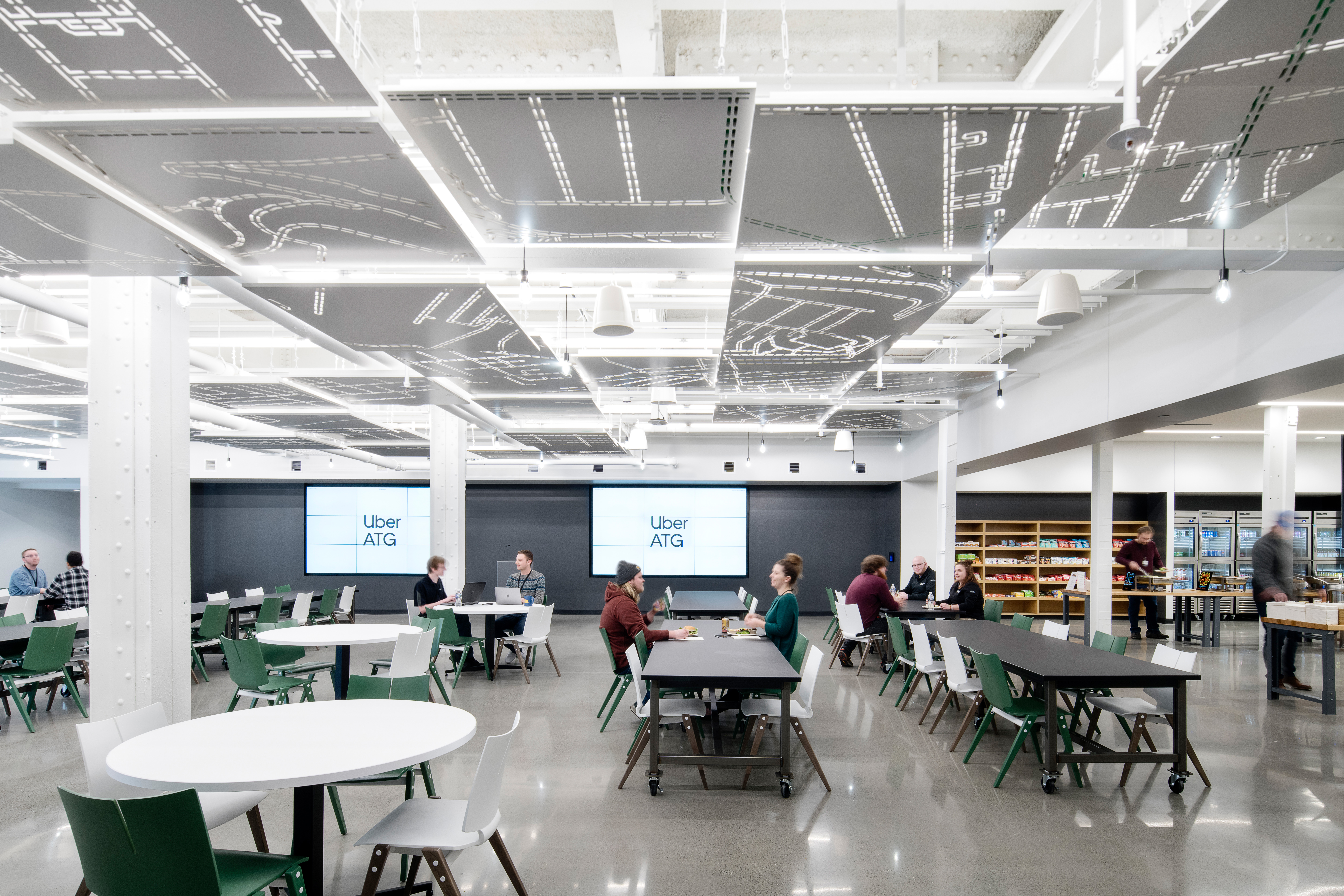
What are 'third places'?
Third places are gathering spots that serve as a social bridge between home and work. These spaces are characterized by their accessibility. inclusivity, and the sense of community they cultivate.
In a pre-pandemic world, the term 'third places' was not commonly used in the workplace design, but the concept was already shaping modern offices. Spaces such as lounges, cafes, collaboration hubs, and quiet retreat areas have long been part of workplace planning. Today, these environments are recognized as 'third places' and are playing an even greater role as organizations continue to refresh or reimagine offices to make returning to the workplace a more engaging and meaningful experience.
Here are several ways in which elements of 'third places' were integrated into offices prior to the pandemic :
1.) Breakout Areas and Lounge Spaces : Informal lounges and breakout areas give employees a place to relax and connect, creating the spontaneous interactions that define workplace 'third places'.
2.) Cafeterias and Dining Spaces : Office cafes and dining areas bring employees together for meals and informal conversations, helping build strong relationships and a greater sense of community.
3.) Wellness and Recreation Facilities : Fitness and wellness areas help employees recharge while creating opportunities to connect and build community.
4.) Informal Event Spaces : Spaces designed for team events encourage employees to connect outside of their daily work. These moments help build stronger relationships and a greater sense of belonging.
Despite these spaces not originally being characterized as 'third places', they nonetheless reflect the underlying principles of creating spaces that fostered social interaction, collaboration, and community within the workplace. As workplaces continue to adapt to post-pandemic realities, the importance of these elements in promoting employee engagement and well-being remains relevant, albeit with a renewed focus on flexibility and adaptability.
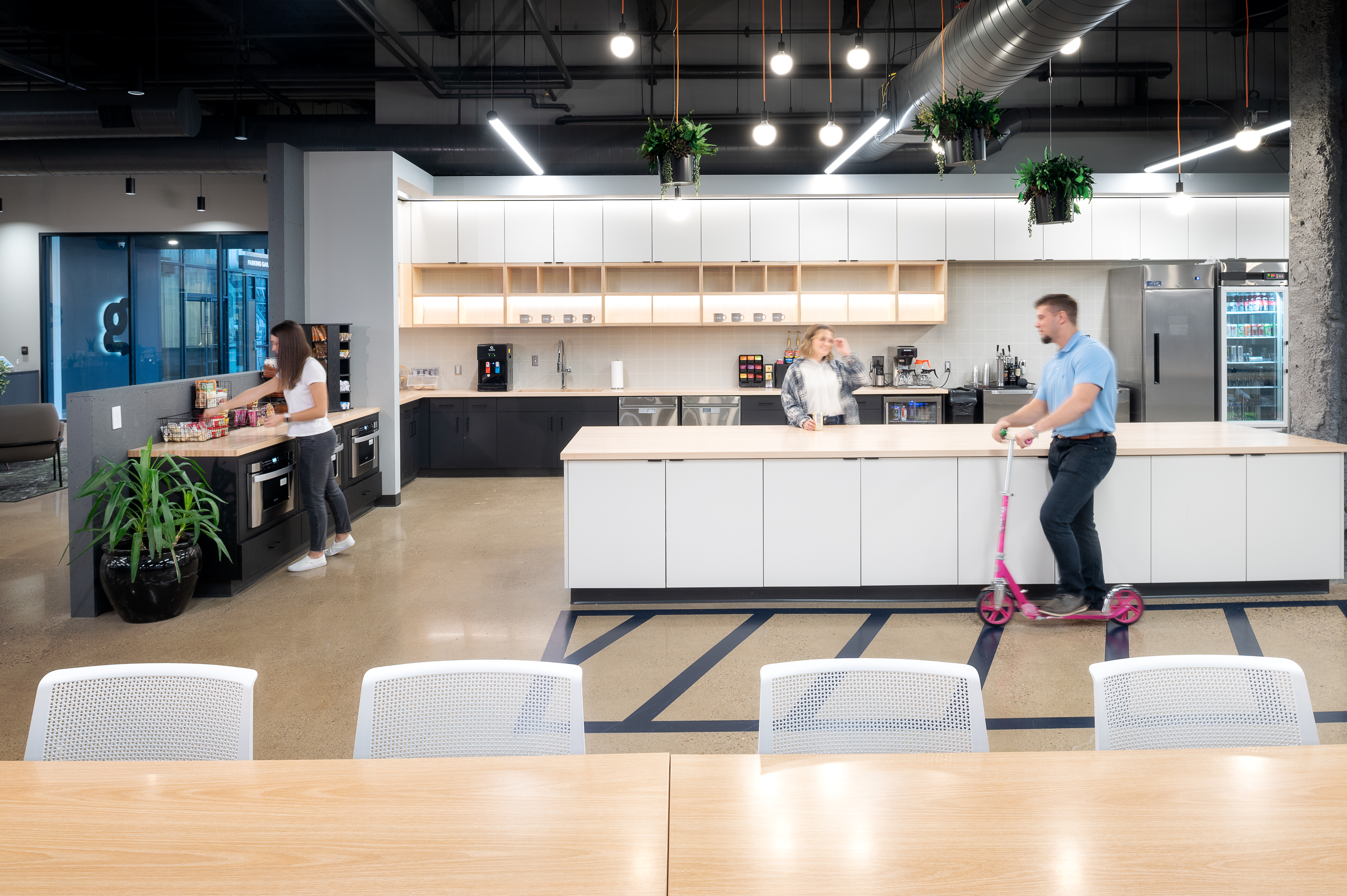
'Third Places' in the Modern Workplace
The concept of 'third places' has evolved to encompass a broader understanding of flexible and community-centric spaces with office environments. When presenting this concept to clients who are seeking to incorporate unique spaces in their offices to entice employees back into the workplace 'third places' are defined as :
1.) Work Cafes - Designed with the comfort and atmosphere of a coffee shop, work cafes offer employees a welcoming place to work and connect. These spaces naturally encourage collaboration and informal interactions.
2.) Flexible Workspaces : Flexible workspaces support of a variety of work settings that allow employees to choose the environment best suited for focused work, collaboration, or meetings.
3.) Wellness and Relaxation Zones : Wellness spaces give employees a place to recharge, reduce stress, and support their mental and physical well-being throughout the workday.
4.) Socialization Areas : Social spaces encourage employees to connect and build relationships and strengthen workplace culture through informal interactions.
5.) Flexible Event Spaces : Adaptable event spaces support everything from team gatherings to workshops, providing flexible environments where employees can connect and collaborate in person or virtually.
By incorporating these elements into their offices, clients can create environments that not only attract employees back into their workplace but also enhance their overall experience and productivity.
Embracing the idea of 'third places' signifies a departure from rigid confines of traditional office spaces towards a more fluid and inclusive approach to work. These spaces serve as catalysts for innovation by providing employees with flexibility and freedom to choose where, when, and how they work.
'Third places' represent a transformative opportunity for business to reimagine the future of workplace design to create spaces employees are excited to return to. By encouraging employee connection and collaboration, the return-to-work initiative can quickly transform from a surface-level inconvenience into an exciting opportunity for employees to thrive, innovate and succeed in this new era of work.
.jpg)
We welcome the opportunity to speak with you about your project and how we can tailor our services to meet your needs.